
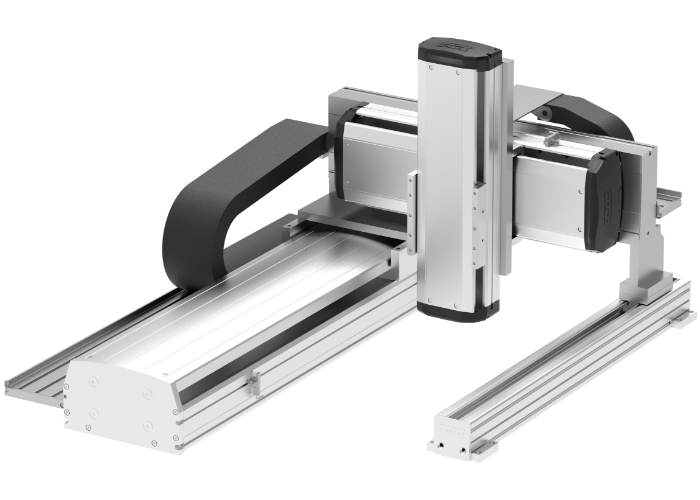
 Robot đơn trục
 Robot đa trục
 Xi lanh điện
 Xi lanh điện mini
 Xy lanh điện loại Gripper
 Robot đơn trục Linear
 Robot 3 trục để bàn
 Ứng dụng trong phòng sạch
 Xe Tự Hành AGV
 Bộ điều khiển
Danh mục sản phẩm toyorobot
The Eye of Horus: Ancient Gold, Sacred Surgery
The Eye of Horus stands as a profound symbol at the intersection of sacred geometry, divine healing, and ancient Egyptian medicine. Far more than an icon, it embodies cosmic order and the restoration of wholeness—principles deeply embedded in Egypt’s spiritual and medical traditions.
The Eye of Horus: Symbol of Wisdom and Protection
The Eye of Horus, shaped by the sacred golden ratio (1.618), reflects divine balance visible in pyramid alignments and temple architecture, where mathematical harmony mirrored cosmic principles. This ratio, a hallmark of Egyptian sacred geometry, symbolizes not only perfection in form but also the restoration of equilibrium in body, mind, and spirit.
Metaphysically, the Eye transcends symbolism: it represents healing and regeneration, central to Egyptian rituals where restoration of wholeness was paramount. Medicine was not merely physical—it was spiritual surgery aimed at re-establishing balance. The Eye thus became a powerful emblem of both divine intervention and human resilience.
Gold as a Sacred Material: The Golden Ratio and Divine Craftsmanship
Gold held unmatched spiritual significance in ancient Egypt, more than a precious metal—it was light incarnate. Its use in crafting sacred objects, including anatomical representations of the Eye, symbolized eternal purity and divine essence. The 1.618 golden proportion governed its placement, aligning artistic expression with temple design and sacred geometry.
- The Eye’s proportions mirror the golden ratio, linking it to pyramid alignments and celestial patterns.
- Gold artifacts, including inscriptions of the Eye, were central to medical tools and ritual objects, signifying transcendence beyond the mortal.
In temple architecture, the golden ratio wasn’t just aesthetic—it was a blueprint for harmony, ensuring sacred spaces resonated with cosmic order. This mathematical precision elevated the Eye from symbol to a living principle of balance and healing.
Frankincense and Myrrh: Ritual Substances in Sacred Surgery
Imported from Punt (modern Somalia), frankincense and myrrh were vital to sacred surgery—both physical purification and spiritual cleansing. These resins were burned during embalming and temple rituals, embodying the dual role of healing body and spirit.
Beyond fragrance, they were believed to cleanse spiritual wounds, aligning physical treatments with divine intent. Their use illustrates how ancient Egyptians viewed healing as a holistic act—merging botanical knowledge with sacred invocation, much like modern integrative medicine bridges science and soul.
Hieroglyphic Precision: Writing as Sacred Surgery
Egyptian hieroglyphs were more than script—they were precise records of sacred knowledge, encoding medicine, astronomy, and religion with deliberate symbolic weight. Over 700 distinct symbols required mastery, reflecting the depth of understanding encoded in writing.
Inscribing the Eye of Horus was an act of ritual surgery—reconstructing truth and restoring balance through word and symbol. This practice mirrors modern writing therapies, where articulation fosters healing and clarity, proving the enduring power of language as medicine.
The Eye of Horus as a Modern Metaphor for Integrated Healing
Ancient Egyptian healing intertwined body, mind, and cosmos—much like contemporary regenerative medicine fuses science with holistic care. The Eye’s restoration of wholeness echoes today’s emphasis on integrative practices that honor both biological and spiritual dimensions.
Just as hieroglyphs encoded sacred knowledge, modern research explores how symbolic patterns influence healing environments—where design, proportion, and ritual converge to support wellness. From temple architecture to therapy spaces, the golden ratio guides healing-centered design, bridging millennia through timeless principles.
| Aspect | Ancient Practice | Modern Parallel |
|---|---|---|
| Restoration of Wholeness | Ritual surgery using Eye of Horus symbolism | Regenerative medicine and mind-body therapies |
| Golden Proportions in Iconography | Pyramid alignments and temple layout | Healing spaces designed with harmonic proportions |
| Sacred Resins and Purification | Frankincense and myrrh in embalming | Aromatherapy and ritual cleansing in wellness centers |
| Hieroglyphic Writing as Sacred Act | Inscription of healing symbols | Patient journals and narrative healing |
The Eye of Horus remains a timeless metaphor—golden, precise, and sacred. Its enduring presence invites reflection: how ancient wisdom continues to shape our understanding of healing, design, and the balance between body, mind, and cosmos.
For deeper exploration, visit 7. Eye of Horus game info—a modern bridge between sacred geometry and interactive wisdom.