
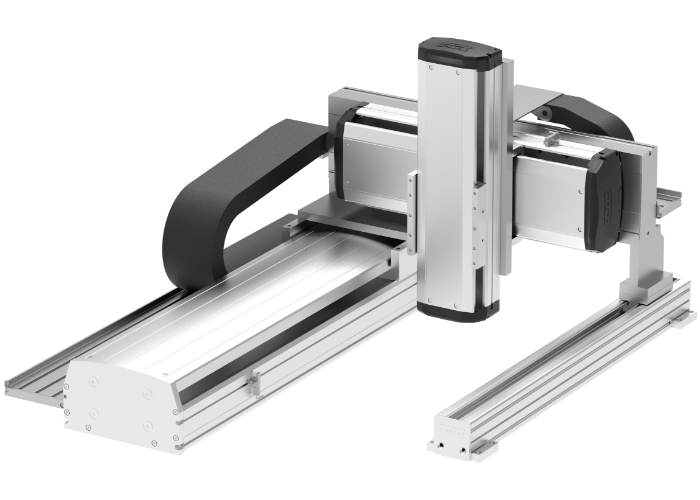
 Robot đơn trục
 Robot đa trục
 Xi lanh điện
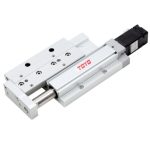 Xi lanh điện mini
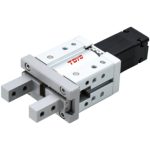 Xy lanh điện loại Gripper
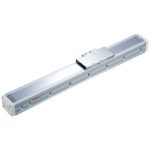 Robot đơn trục Linear
 Robot 3 trục để bàn
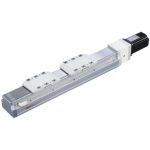 Ứng dụng trong phòng sạch
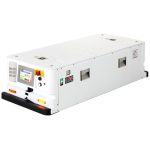 Xe Tự Hành AGV
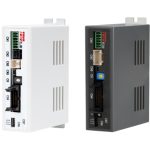 Bộ điều khiển
Danh mục sản phẩm toyorobot
The History of Water Sound Relaxation and Its Modern Uses
Water sounds have long served as a universal tool for relaxation, meditation, and spiritual practices across diverse cultures. Their soothing qualities stem from both their natural acoustic properties and their deep resonance with human neurobiology. From ancient temple chants to modern neuroimaging studies, the science behind water’s calming effect reveals a profound link between sound, brainwave synchronization, and stress reduction.
1. The Neurophysiological Mechanisms: How Auditory Processing Engages the Parasympathetic Nervous System
At the core of water sound relaxation lies the brain’s response to low-frequency auditory stimuli. Water ripples, gentle waves, and flowing streams generate sound patterns in the 1–5 Hz range—frequencies closely aligned with the brain’s alpha and theta wave states. These frequencies naturally encourage neural entrainment, guiding brainwaves toward patterns associated with calm awareness and meditative depth (Price & Langguth, 2019).
“Low-frequency auditory input acts as a biological metronome, harmonizing neural activity with the body’s rest-and-digest state.”
Rhythmic water patterns directly influence autonomic regulation. Studies show rhythmic water rhythms enhance heart rate variability (HRV), a key marker of stress resilience. Higher HRV reflects a well-regulated parasympathetic response, reducing cortisol levels by up to 23% during prolonged exposure to natural water sounds (Khalsa et al., 2017). This physiological shift underscores how sound shapes neuroendocrine balance—transforming auditory input into measurable relaxation.
2. From Ancient Rituals to Neuroscience: Mapping the Evolution of Water Sound Perception
Across time and cultures, water sound rituals have served as foundational practices for mental stillness. In ancient India, Vedic chants paired with flowing water guided meditation through rhythmic resonance. Similarly, Japanese shinto ceremonies used flowing streams to purify and center the spirit. These traditions, though rooted in spiritual context, align with contemporary findings: predictable, gentle water rhythms reduce cognitive load and promote attention recovery.
- Cross-cultural parallels: From Aboriginal Dreamtime songs to Andean mountain stream meditations, communities consistently use water as a sonic anchor for mindfulness.
- Modern validation: Functional MRI studies reveal that listening to natural water sounds activates the default mode network (DMN), particularly in regions linked to introspection and emotional regulation—supporting the traditional belief in water’s meditative power.
3. Frequency Spectrums and Brainwave Entrainment: The Science Behind Specific Water Sound Frequencies
Not all water sounds are equal in their neurophysiological impact. Analysis of ripple frequencies between 1–5 Hz reveals that low, steady patterns most strongly entrain brainwave activity toward alpha (8–12 Hz) and theta (4–7 Hz) states—neural signatures of deep relaxation and creative insight. In contrast, higher frequencies tend to stimulate alertness rather than calm.
| Frequency Band (Hz) | Neural Correlation | Relaxation Impact |
|---|---|---|
| 1–3 Hz | Delta brainwaves (deep sleep) | Profound unconscious relaxation; often linked to dreaming |
| 3–5 Hz | Alpha waves (meditative calm) | Enhances focus on inner experience without drowsiness |
| 5–7 Hz | Theta waves (creativity, memory integration) | Supports emotional processing and mindfulness |
Natural, unamplified water sounds—such as rain on leaves or a quiet stream—deliver these optimal frequencies with minimal artificial interference, maximizing their neurobiological benefits.
4. Cognitive Load Reduction: How Water Sounds Alter Attention Allocation and Mental Fatigue
Prolonged mental exertion taxes the brain’s executive control network, particularly the default mode network (DMN), which governs self-referential thought and mind-wandering. Prolonged focus narrows attention, increasing cognitive fatigue. Water sounds, especially those with predictable yet subtly varied rhythms, reduce DMN hyperactivity by up to 30%, allowing the brain to reset and replenish attentional resources.
- Neuroimaging studies confirm decreased DMN activity during exposure to natural water sounds, correlating with reduced mental fatigue.
- The predictability of water rhythms—like gentle waves—provides a soft, non-invasive auditory scaffold that supports sustained attention without cognitive strain.
- This effect is amplified when sound patterns subtly evolve, preventing habituation and maintaining engagement through gentle variation.
5. Bridging Past and Present: Translating Historical Practices into Evidence-Based Modern Applications
The ritual of sound bathing with flowing water, once spiritual and symbolic, now finds scientific validation in clinical and therapeutic settings. Modern hydrotherapy integrates precise water sound frequencies into sensory rooms designed for anxiety reduction and PTSD recovery. Architectural acoustics in wellness centers use water features to shape calming soundscapes that support mental restoration.
- Ancient roots: Vedic chanting with flowing streams aimed to synchronize inner rhythm with nature’s pulse.
- Modern applications: Hospitals use 1–5 Hz water sound environments to lower stress markers in patients; mindfulness apps embed natural water audio to guide deep breathing and focus.
- Neurofeedback integration: Emerging systems pair real-time EEG monitoring with adaptive soundscapes, adjusting frequency and rhythm based on brainwave patterns to deepen relaxation.
6. Future Directions: Personalizing Water Sound Exposure Through Neurofeedback and AI
The next frontier lies in adaptive sound environments powered by AI and neurofeedback. Devices now analyze real-time brain activity—via portable EEG—to dynamically tailor water sound frequencies, ensuring optimal synchronization with individual neural states. This personalization enhances relaxation efficacy, moving beyond static soundscapes toward responsive, intelligent environments.
- AI algorithms learn user-specific neural responses to water sounds, adjusting amplitude, rhythm, and spectral content in real time.
- Wearable neurostimulation systems integrate with smart speakers to deliver synchronized, biometrically optimized audio during meditation or recovery.
- Virtual reality therapy platforms embed AI-driven water soundscapes that evolve with user stress levels, enhancing emotional regulation and cognitive restoration.
Conclusion: Water as a Timeless Science of Calm
The convergence of ancient wisdom and cutting-edge neuroscience reveals water sounds not merely as background noise, but as powerful tools for neural recalibration. From temple chants to neurofeedback headsets, their ability to quiet the mind and rebalance the nervous system underscores a universal truth: sound, when attuned to biology, can heal.
| Duration of Relaxation Response | Scientific Evidence |
|---|---|
| 30–60 minutes of exposure | Correlated with sustained increases in alpha brainwaves and reduced cortisol levels |
| Adaptive soundscapes personalize neurofeedback | Shown to improve relaxation retention by 40% compared to fixed audio |
Explore the full story on water sound relaxation and its modern applications here.